
- English
- Español
- Português
- русский
- Français
- 日本語
- Deutsch
- tiếng Việt
- Italiano
- Nederlands
- ภาษาไทย
- Polski
- 한국어
- Svenska
- magyar
- Malay
- বাংলা ভাষার
- Dansk
- Suomi
- हिन्दी
- Pilipino
- Türkçe
- Gaeilge
- العربية
- Indonesia
- Norsk
- تمل
- český
- ελληνικά
- український
- Javanese
- فارسی
- தமிழ்
- తెలుగు
- नेपाली
- Burmese
- български
- ລາວ
- Latine
- Қазақша
- Euskal
- Azərbaycan
- Slovenský jazyk
- Македонски
- Lietuvos
- Eesti Keel
- Română
- Slovenski
- मराठी
- Srpski језик

What Is an Off-Board Charger and Why Is It Essential for Modern EV Charging Systems
An Off-Board Charger plays a critical role in today’s electric vehicle (EV) infrastructure by enabling high-power, fast, and intelligent charging outside the vehicle itself. Unlike on-board chargers, off-board chargers handle power conversion externally, making them ideal for public charging stations, fleet depots, and commercial EV applications.
In this article, we explore how off-board chargers work, their key advantages, technical specifications, real-world applications, and how companies like Zhaofeng are advancing reliable and scalable charging solutions for the global EV market.
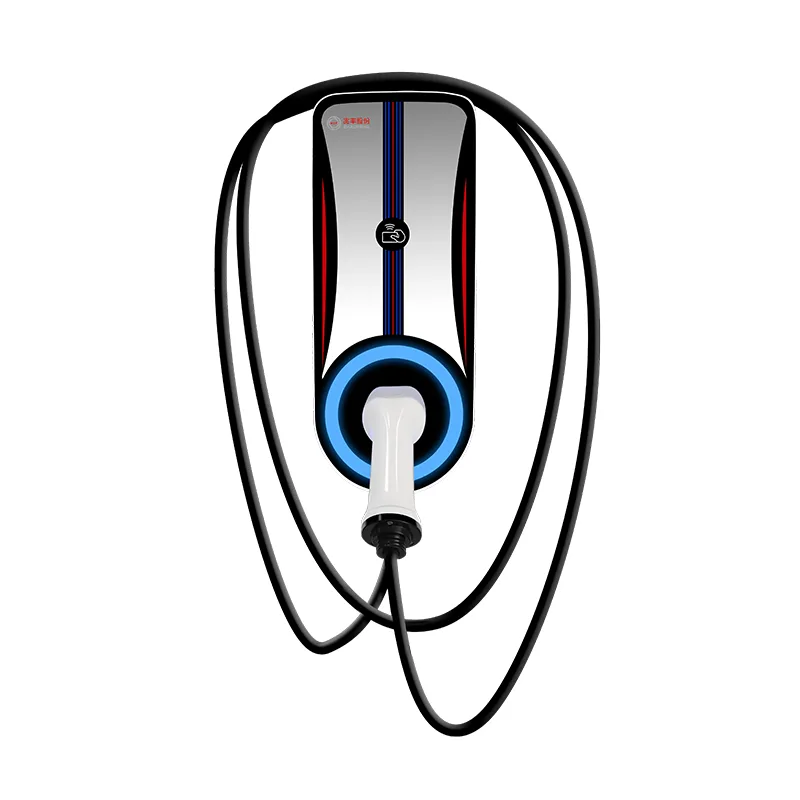
Table of Contents
- 1. What Is an Off-Board Charger?
- 2. How Does an Off-Board Charger Work?
- 3. Off-Board Charger vs On-Board Charger
- 4. Key Benefits of Off-Board Chargers
- 5. Common Applications of Off-Board Chargers
- 6. Technical Specifications and Standards
- 7. How to Choose the Right Off-Board Charger
- 8. Future Trends in Off-Board Charging Technology
- 9. Frequently Asked Questions (FAQ)
1. What Is an Off-Board Charger?
An Off-Board Charger is an external electric vehicle charging system where the AC-to-DC power conversion occurs outside the vehicle. The charger delivers DC power directly to the EV battery, bypassing the vehicle’s internal charging hardware.
Because of this architecture, off-board chargers are capable of handling significantly higher power levels, making them essential for:
- DC fast charging stations
- Public EV infrastructure
- Commercial and fleet charging depots
- Heavy-duty and high-voltage electric vehicles
2. How Does an Off-Board Charger Work?
The working principle of an off-board charger involves several coordinated steps:
- AC power is drawn from the grid or renewable energy source.
- The charger converts AC power into regulated DC power.
- Communication protocols exchange data between the charger and EV.
- DC power is delivered directly to the battery at optimized voltage and current.
Advanced off-board chargers, such as those developed by Zhaofeng, integrate smart control systems to ensure charging efficiency, safety, and grid compatibility.
3. Off-Board Charger vs On-Board Charger
| Feature | Off-Board Charger | On-Board Charger |
|---|---|---|
| Location | External (charging station) | Inside the vehicle |
| Power Level | High (30 kW – 350 kW) | Low to Medium (3.3 kW – 22 kW) |
| Charging Speed | Fast / Ultra-fast | Slow to moderate |
| Use Case | Public & commercial charging | Home & private charging |
4. Key Benefits of Off-Board Chargers
- Faster Charging: Enables rapid DC charging for reduced downtime.
- Higher Efficiency: Optimized power conversion outside the vehicle.
- Vehicle Weight Reduction: Less hardware inside the EV.
- Scalability: Easier upgrades for higher power output.
- Smart Energy Management: Supports load balancing and grid integration.
5. Common Applications of Off-Board Chargers
Off-board chargers are widely used across multiple industries:
- Public EV charging stations
- Bus and truck fleet depots
- Highway fast-charging networks
- Logistics and industrial parks
- Renewable energy integrated charging hubs
6. Technical Specifications and Standards
| Parameter | Typical Range |
|---|---|
| Input Voltage | AC 380V / 480V |
| Output Power | 30 kW – 350 kW |
| Charging Standards | CCS, CHAdeMO, GB/T |
| Communication | OCPP, CAN, Ethernet |
For a deeper technical overview, you can explore professional off-board charger solutions provided by manufacturers such as off-board charger specialists.
7. How to Choose the Right Off-Board Charger
When selecting an off-board charger, consider the following factors:
- Required charging power and voltage range
- Vehicle compatibility and charging standards
- Installation environment (indoor or outdoor)
- Grid capacity and energy management needs
- After-sales support and system reliability
Companies like Zhaofeng focus on delivering durable, scalable, and intelligent off-board charging systems tailored to diverse commercial requirements.
8. Future Trends in Off-Board Charging Technology
The future of off-board chargers is shaped by innovation and sustainability:
- Ultra-fast charging beyond 500 kW
- Bidirectional charging (V2G, V2L)
- AI-driven energy optimization
- Integration with renewable energy and storage systems
9. Frequently Asked Questions (FAQ)
Q1: Is an off-board charger better than an on-board charger?
Yes, for fast and commercial charging applications, off-board chargers provide significantly higher power and efficiency.
Q2: Can all EVs use off-board chargers?
Most modern EVs support off-board DC charging, provided the charger matches the vehicle’s charging standard.
Q3: Are off-board chargers safe?
High-quality off-board chargers include advanced protection systems for voltage, current, temperature, and communication safety.
Q4: Where are off-board chargers typically installed?
They are commonly installed in public charging stations, fleet depots, highways, and commercial facilities.
Conclusion
As electric mobility continues to grow, the Off-Board Charger has become an essential component of modern EV infrastructure. Its ability to deliver fast, efficient, and intelligent charging makes it indispensable for public and commercial applications.
If you are looking for reliable and future-ready off-board charging solutions, working with experienced manufacturers like Zhaofeng can help you stay ahead in the evolving EV ecosystem.
👉 To learn more about off-board charger solutions or request a customized system, contact us today and take the next step toward smarter EV charging.